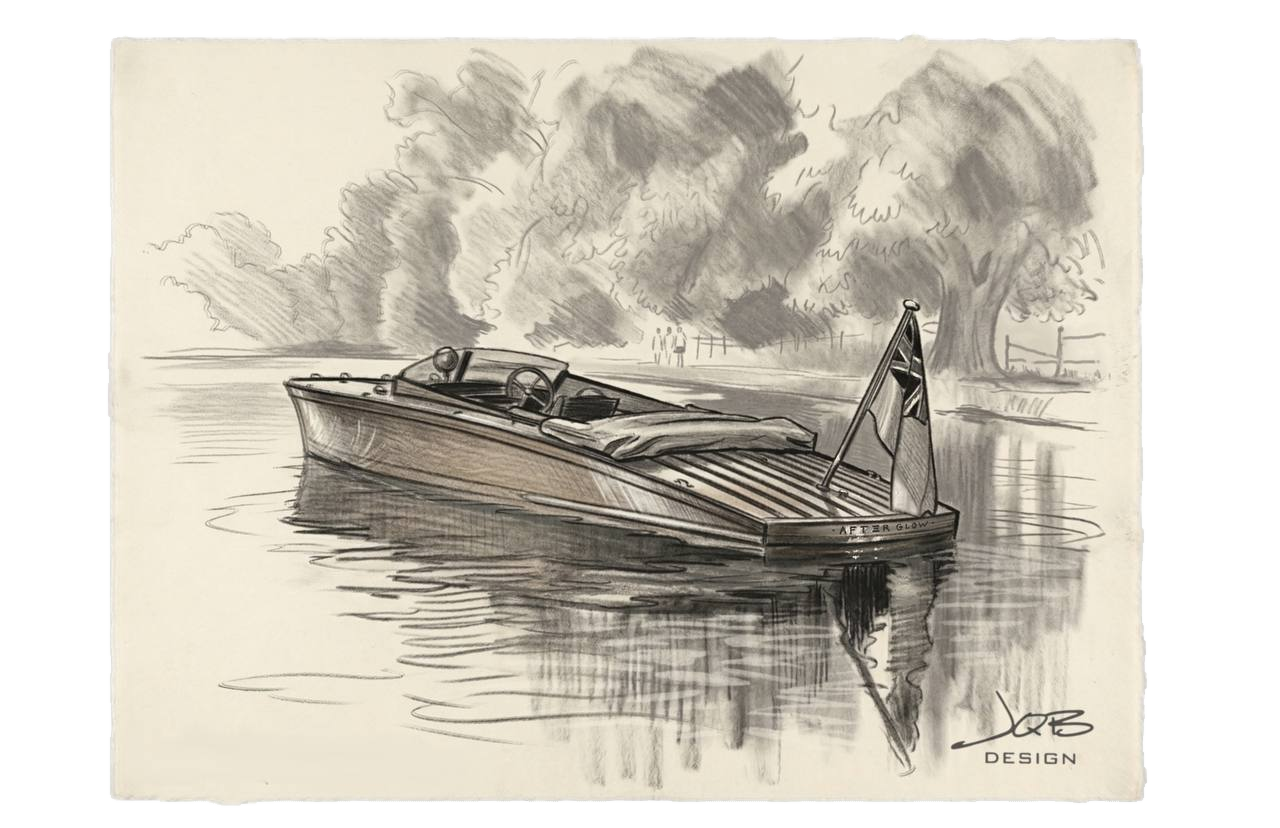
The arena, the craft
& the next sketch
The arena
Jon Bannenberg understood the arena. He was my boss, mentor and one of the defining figures in modern yacht design.

A quotation by Theodore Roosevelt hung beside his desk in his Burnsall Street studio in London:
“It is not the critic who counts… The credit belongs to the man who is actually in the arena…”
Theodore Roosevelt
I was fortunate to apprentice and work under three masters: Jon Bannenberg, Ron Holland and Tom Tjaarda. Each taught me that ideas, drawing, technical competence and detail matter—and that the designer must do the work.

The craft
In 1995, my brother Chris and I opened our design studio in Seattle. For 27 years, we worked side by side, creating exceptional yachts while providing our clients with personal service, discretion and commitment.


We believed that quality was not simply an aesthetic choice. It was a responsibility.
Robert Pirsig’s exploration of Quality in Zen and the Art of Motorcycle Maintenance and Lila has been fundamental to my own work. For me, that philosophy is inseparable from personal responsibility: what we draw, the decisions we make and the work we stand behind.
Today, I continue that pursuit from my studio in Montana—drawing, designing, questioning established solutions and searching for the difference between something that is merely good and something that feels inevitable.
Writing about seamanship and craftsmanship in The Mirror of the Sea, Joseph Conrad spoke of “the honour of labour”—work elevated beyond mere skill by love, pride and inspiration.
Technique can be learned. Competence can be measured. But the finest work carries the judgment and character of its maker.
That is where craft becomes art.
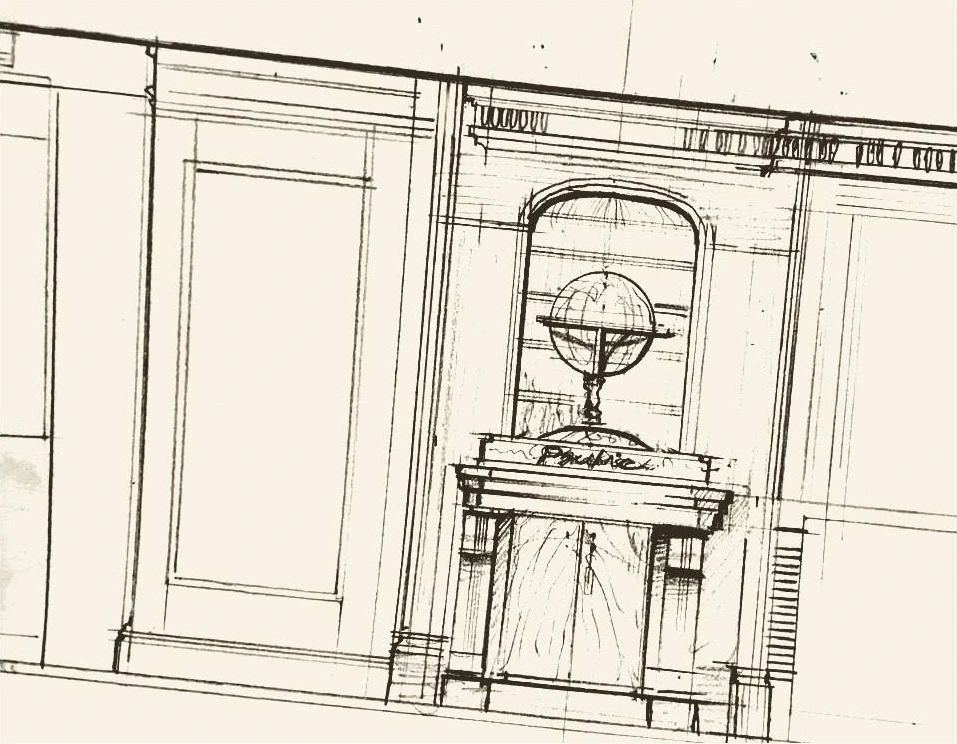
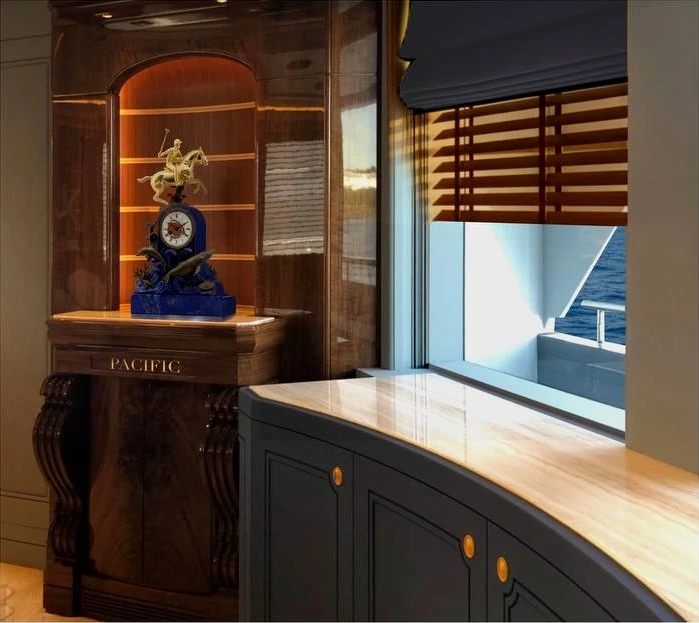

The next sketch
“I have always felt that the best way to begin a conversation about design is with a pencil, a piece of paper and a simple question: What if?”
Jonathan Quinn Barnett
A private space. By invitation.
From Bannenberg’s studio in London, through 27 years designing alongside Chris, to my studio in Montana, the objective remains unchanged:
Enter the arena.
Master the craft.
Do the work.
Begin with a sketch.